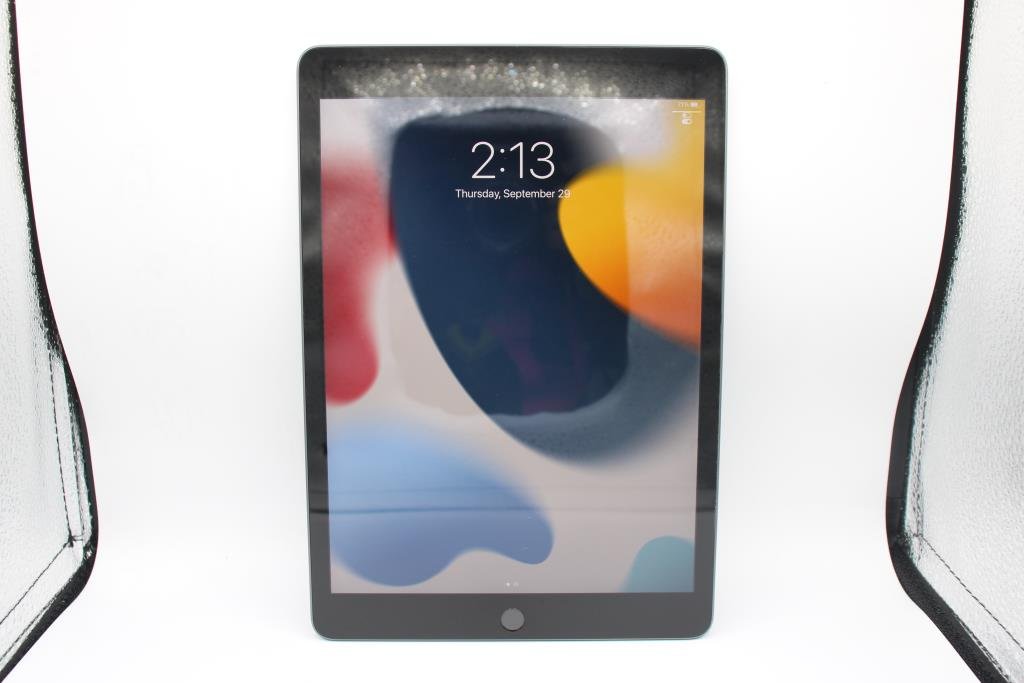
The iPad 9th generation might feel like a familiar face in a world of ever-sleeker, ever-more-powerful tablets, but don't let its classic design fool you. When it comes to iPad 9th Gen Long-Term Value, Updates & Upgrade Considerations, this model still holds surprising relevance for many users. It’s an iPad that delivered solid performance at an accessible price, making it a popular choice. But as time marches on, the inevitable questions arise: How much longer will it be supported? What's its true long-term value? And when should you genuinely consider moving on?
This guide cuts through the noise to give you a clear, authoritative perspective on where the iPad 9th gen stands today and what its future holds.
At a Glance: Key Takeaways for Your iPad 9th Gen
- Major OS Updates: Expect major iPadOS updates until late 2027 (likely iPadOS 20), roughly 6-8 years from its chipset's debut.
- App Compatibility: Apps should continue to update and function well until at least 2028-2029, potentially lingering into 2030.
- Security Patches: Even after major OS updates cease, security patches are likely to extend into 2028 or even beyond, keeping your device safe.
- Long-Term Value: Excellent for basic tasks, media consumption, and light productivity. High resale value for its class, good hand-me-down potential.
- Upgrade Triggers: Consider upgrading when performance for daily tasks noticeably slows, essential apps no longer function, or you need advanced features like Stage Manager, better displays, or Apple Pencil 2 support.
- Buying Today: Still a solid, budget-friendly entry point for casual users, students, or as a secondary device, provided you understand its update lifespan.
The Enduring Appeal of the iPad 9th Gen (and Its A13 Heart)
Released in September 2021, the iPad 9th generation quickly became a go-to choice for those seeking Apple's tablet experience without breaking the bank. It brought a significant upgrade with the A13 Bionic chip, the same powerhouse that drove the iPhone 11 series. This chip, originally introduced in 2019, provided a substantial leap in performance over its predecessor, ensuring smooth operation for most everyday tasks.
Its familiar design, complete with the Home button and Touch ID, along with support for the first-generation Apple Pencil and Smart Keyboard, cemented its role as a versatile workhorse. For many, it represented the sweet spot between capability and cost, perfect for browsing, streaming, note-taking, and light gaming.
But "sweet spots" eventually move. The core question for current owners, and potential new buyers, revolves around how much mileage is left in that A13 Bionic and, crucially, how long Apple will continue to nurture it with software updates.
Decoding iPadOS Update Longevity: What History Tells Us
Apple doesn't publish a definitive "end-of-life" date for its devices. Instead, we rely on historical patterns and expert analysis to predict update lifespans. For iPads, specifically those with 64-bit chipsets like the A13, we've observed a consistent trend.
Historically, 64-bit iPads have received an average of 6 to 8 major iPadOS updates. The A7 chip, which debuted in 2013 with the original iPad Air and iPad Mini 2, received six major updates. Over the years, this trend has generally extended, with newer chips often seeing 7 or 8 major updates. The iPad 9th gen, with its A13 Bionic chip, slots right into this established pattern.
The A13 Bionic chip first appeared in 2019 and likely began its "update lifecycle" with iPadOS 13 or 14 (depending on the device it powered first). Given this, informed predictions from long-time Apple observers and online communities, including discussions on Reddit and Apple's own forums, suggest a clear timeline:
- Major iPadOS Updates: Most analysts agree the iPad 9th generation will continue to receive major iPadOS version upgrades until September 2027. This means iPadOS 20 is highly probable to be its final major update, with iPadOS 21 (due in 2027) marking the point where it no longer receives the latest headline features. This aligns with the 8-year average observed for the A13 Bionic's lifespan, starting from its 2019 release.
This doesn't mean your iPad becomes a brick overnight. Far from it.
Beyond Major OS: App Compatibility and Security Patches
Even after your iPad no longer qualifies for the newest iPadOS version, its useful life is far from over. This is a critical point often misunderstood.
- App Updates: Developers typically continue to support older operating systems for a significant period. You can reasonably expect your favorite apps to continue receiving updates for bug fixes, performance improvements, and new features for another 1 to 2 years after major iPadOS updates cease. This pushes the horizon for app compatibility well into 2028, or even 2029.
- App Functionality: Even when apps stop receiving updates for older OS versions, they usually continue to function for a period afterward. Many apps will work perfectly fine, albeit without the very latest features, until developers deem it no longer viable or secure to support the specific OS version. This could realistically extend your iPad's functional life for core apps until around 2030.
- Security Patches: Apple is diligent about security. Even for devices that no longer get major OS versions, they often release critical security patches for older iOS/iPadOS versions for several years. One source suggests security patches could continue for the iPad 9th generation until 2028, possibly longer if critical vulnerabilities emerge. This ensures your data remains protected even if you're not on the cutting edge of iPadOS features.
In essence, if you own an iPad 9th generation today, you're looking at a device that will remain fully capable for another few years, with a gradual decline in software support rather than an abrupt cutoff.
Real-World Value: Who Is the iPad 9th Gen Still For?
Even with its eventual software update sunset, the iPad 9th generation still offers substantial value for specific user profiles and tasks:
- Everyday Essentials: Web browsing, email, social media, video calls, and streaming services (Netflix, YouTube, Apple TV+) will run flawlessly for years to come. The A13 Bionic is more than capable for these activities.
- Students: For note-taking (with Apple Pencil 1), reading textbooks, research, and basic essay writing, the iPad 9th Gen remains an excellent, affordable tool. Its compatibility with the Smart Keyboard is a big plus.
- Media Consumption Hub: With its 10.2-inch Retina display and decent speakers, it’s a fantastic device for watching movies, listening to music, and casual gaming.
- Kids' Tablet: Durable enough for younger users (with a good case), and powerful enough for educational apps and games. Its lower price point makes it less painful if accidents happen.
- Light Productivity: For tasks that don't require heavy multitasking or demanding applications (like complex video editing or 3D rendering), it's perfectly adequate.
- Secondary Device: For those who primarily use a laptop or desktop but want a quick, portable tablet for specific tasks, the iPad 9th Gen fits the bill.
Where it starts to show its age is in more demanding scenarios. Heavy graphic-intensive games, professional-grade creative apps, or using advanced multitasking features like Stage Manager (which isn't supported) will highlight its limitations compared to newer, more expensive iPads. For a more detailed look into its specific capabilities and features, including storage options, you might find this guide to the iPad 9th generation 64GB particularly helpful.
When to Consider an Upgrade: Signals and Scenarios
Knowing when to upgrade isn't just about the calendar; it's about your needs and the device's performance. Here are some key signals and scenarios that might prompt you to consider a newer iPad:
- Noticeable Performance Degradation:
- Apps are consistently slow to open or load.
- Multitasking becomes frustratingly laggy.
- Frequent app crashes, especially with newer or more demanding applications.
- The iPad feels generally unresponsive to touch or gestures.
- Lack of Essential App Compatibility:
- A critical app you rely on (e.g., for work, school, or a hobby) announces it will no longer support your iPadOS version. This is likely to happen sometime after 2028-2029.
- Need for Advanced Features:
- Stage Manager: If you crave the desktop-like multitasking experience with resizable windows and external display support, you'll need an iPad Air 5 or newer, or an iPad Pro.
- Apple Pencil 2 Support: The magnetic charging and superior feel of the Apple Pencil 2 are limited to newer iPad Air, Mini, and Pro models. If precise drawing or note-taking is crucial, this is a major factor.
- Better Display Technology: Newer iPads offer Liquid Retina XDR (Pro models), ProMotion (120Hz refresh rate), and anti-reflective coatings, which make a significant difference for designers, artists, and avid readers.
- USB-C Connectivity: For faster data transfer, external monitor support, and connecting a wider range of peripherals, USB-C (found on iPad Air 4/5, iPad Mini 6, and all modern iPad Pro models, as well as the 10th-gen base iPad) is a game-changer compared to the Lightning port.
- More RAM & Storage: If you consistently hit storage limits or find apps reloading often due to insufficient RAM, an upgrade is warranted. The base 64GB on the 9th gen can feel restrictive for many.
- Physical Limitations or Damage:
- A severely cracked screen or a failing battery that's no longer cost-effective to replace.
- Outdated Wi-Fi or cellular connectivity that limits your network speeds.
- Budget vs. Need:
- If you find yourself constantly wishing your iPad could do more, or struggling with its limitations, and your budget allows, then an upgrade makes sense. Often, the frustration of a limiting device outweighs the cost savings of holding onto an older one.
Is It Worth Buying an iPad 9th Gen Today? (A Buyer's Guide)
Given its age and predicted update lifecycle, buying a new iPad 9th generation today requires a clear understanding of its role:
Pros of Buying New Today:
- Price: It remains Apple's most affordable new iPad, often available with significant discounts from retailers. This is its biggest selling point.
- Performance for Basic Tasks: For the price, the A13 Bionic still delivers excellent performance for browsing, streaming, casual gaming, and productivity apps.
- Familiar Design: Many users still appreciate the Home button and Touch ID.
- Accessory Compatibility: Works with the Apple Pencil (1st Gen) and Smart Keyboard, providing basic versatility.
Cons of Buying New Today: - Limited Future-Proofing: You're buying into a device that will likely stop receiving major OS updates in late 2027, giving you about 3-4 years of cutting-edge software before a more gradual phase-out.
- Older Design: Larger bezels, Lightning port, and lack of support for Apple Pencil 2 feel dated compared to the rest of the iPad lineup.
- Base Storage: The 64GB base model can fill up quickly, especially with media, games, and extensive app libraries.
- No Stage Manager: If you aspire to a more robust multitasking experience, this model won't offer it.
Verdict for New Buyers: - Yes, if: You need an absolute budget-friendly entry into the Apple ecosystem, solely for casual use (media, browsing, light email), or as a first tablet for a child. You understand and accept its limited update future.
- Consider Alternatives, if: You plan to use it for 4+ years, need advanced features, desire a more modern aesthetic, or are keen on robust multitasking. The iPad 10th generation (though more expensive) or a discounted previous-gen iPad Air might offer better long-term value.
Maximizing Your iPad 9th Gen's Lifespan
If you currently own an iPad 9th generation and want to squeeze every last drop of life out of it, here's how:
- Keep iPadOS Updated (While Available): Always install the latest compatible iPadOS version to ensure you have the newest features, performance improvements, and critical security patches.
- Manage Storage Wisely: Regularly offload photos, videos, and unused apps to free up space. This prevents your iPad from slowing down due to a full drive. Utilize cloud storage services like iCloud or Google Drive.
- Optimize Battery Health: Avoid extreme temperatures, don't leave it constantly plugged in at 100%, and avoid draining the battery to 0% frequently. Good battery habits extend its overall lifespan.
- Clear App Cache: Many apps store temporary data that can accumulate. Periodically clear app caches within app settings or by offloading/reinstalling problematic apps.
- Soft Reset Occasionally: A simple restart can often resolve minor performance glitches and free up RAM.
- Protective Case and Screen Protector: Physical damage is a common reason for early retirement. Invest in good protection.
- Factory Reset for a Fresh Start: If your iPad feels sluggish after years of use, a full factory reset (after backing up your data) can often restore much of its original snappiness.
The Informed Decision: Your iPad 9th Gen's Future
The iPad 9th generation remains a testament to Apple's ability to create lasting, user-friendly technology. While its time on the cutting edge of iPadOS updates is naturally nearing its end (predicting a halt in major updates around late 2027), its practical utility will comfortably extend for several years beyond that. App compatibility will likely carry you through 2028-2029, and basic functionality into 2030, thanks to the robust A13 Bionic chip.
Whether you're holding onto one or considering a purchase, the key is to align your expectations with its capabilities and its place in Apple's evolving ecosystem. For budget-conscious users seeking reliable performance for everyday tasks, it's still a smart, value-driven choice. For those needing the very latest features, professional-grade power, or extensive future-proofing, the signals for an upgrade are already clear. Ultimately, your iPad 9th Gen's "long-term value" isn't just about its tech specs; it's about how well it continues to serve your specific needs.